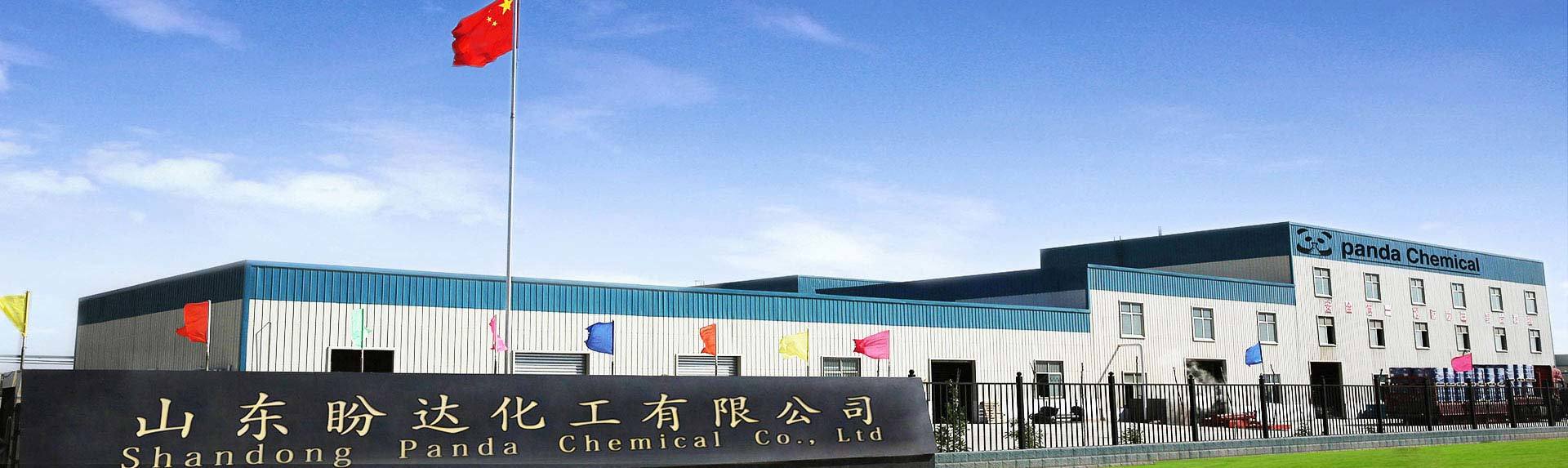
ABOUT PANDA

Shandong Panda Chemical Co., Ltd.


News

Calcium Chloride Deicer: Guarding America

Calcium Chloride Deicer: Guarding America Every winter, Arctic cold waves sweep across America, blanketing highways, airports, streets and lanes in ice and snow, which greatly hinders travel. At such times, calcium chloride deicer proves invaluable, serving as an indispensable helper for ensuring smooth winter travel in North America. From the freezing highways of Alaska in the United States to the urban streets of Quebec in Canada, this reliable deicing material not only guarantees safe travel for people but also minimizes environmental impact, building a solid barrier for unobstructed winter commutes. Winters in America are extremely harsh, and calcium chloride deicer delivers outstanding performance in low-temperature conditions. Unlike ordinary table salt (sodium chloride) deicer, calcium chloride can steadily melt ice and snow even in extreme cold as low as -32°C, while table salt loses most of its effectiveness at -10°C. Its most distinctive feature is that it generates heat spontaneously when dissolved; it also quickly absorbs moisture in the air to form deicing brine, penetrating ice layers much faster than other similar products. It can melt large areas of ice in just 20 minutes, saving precious time for road clearance. The effectiveness of calcium chloride has been proven in many parts of America. In the United States alone, over 60 municipal administrations and more than 20 professional deicing companies rely on it to keep roads clear in winter. A single operation can cover 400 kilometers of highways, and dedicated distribution and supply channels are in place to ensure sufficient dosage and consistent performance. When used at airports, it allows planes to take off sooner after deicing, reducing flight delays. In areas with heavy snowfall, specialized deicing fleets equipped with calcium chloride conduct regular deicing operations in winter, constantly optimizing application results. Canada has an even higher demand for deicers, consuming millions of tons each year. Thanks to calcium chloride’s superior low-temperature performance and reduced corrosion to roads and bridges, many regions use it to replace part of the table salt. Beyond its excellent performance, great emphasis is placed on environmental protection and loss reduction when using calcium chloride in America. To address the issue of deicers corroding roads and vehicles, calcium chloride, with its low salt content, is 90% less corrosive than ordinary table salt. This significantly reduces damage to bridges and vehicles, saving substantial maintenance costs. Additionally, liquid calcium chloride is highly popular in North America due to its stable properties and easy dosage control. It not only cuts material consumption by 40% and lowers costs but also mitigates impacts on soil and water sources. Countries across America have also established strict regulations to guide the scientific use of calcium chloride. Based on environmental protection laws, Canada has issued deicer application standards, requiring all regions to make sound plans, optimize spreading methods and properly dispose of snow—ensuring both traffic safety and minimal environmental impact. The United States also has a specialized inspection mechanism to fully monitor the dosage, effectiveness and environmental footprint of deicers, striving to achieve the best deicing results with the least amount of material. This model of "product improvement + standardized application" enables calcium chloride to effectively melt ice without causing significant environmental harm, making it a wise choice for America to cope with harsh winters.

17

2026/01

Sodium Bicarbonate in Baking

I. Core Working Principles 1. Gas-Producing Leavening Mechanism (Key to Final Texture) Room-Temperature Acid-Base Reaction: Rapidly neutralizes with acidic ingredients (yogurt, lemon juice, cocoa powder, etc.), generating a large amount of carbon dioxide per second. The fine, uniform air bubbles increase the fluffiness of cakes/cookies by 30%-50%. Additional acid must be added if there are no acidic ingredients; otherwise, gas production from thermal decomposition alone is insufficient, resulting in dense finished products. High-Temperature Decomposition for Gas Production: Decomposition starts at 50℃ and peaks at 100℃. Each gram of sodium bicarbonate produces approximately 220 milliliters of carbon dioxide, along with sodium carbonate. This not only enhances leavening but also accelerates the Maillard reaction through an alkaline environment — for example, adding 0.5% sodium bicarbonate to honey cake increases color brightness by 40%. 2. Multi-Dimensional Auxiliary Functions (Easily Overlooked Key Values) pH Regulation: Stabilizes the dough’s pH at 7-8, neutralizing lactic acid from old dough fermentation to eliminate sourness and extend the shelf life of finished products by 2-3 days. Texture Optimization: Weakens gluten strength, increasing the crispness of cookies by 20% and the moistness of cakes by 15%. However, excessive use causes loose texture and collapse. Nutrient Retention: Appropriate use reduces the loss of B vitamins during baking. For instance, adding 2% sodium bicarbonate to steamed cornbread increases thiamine retention by 15%. II. Comprehensive Precautions (Supplemented with Taboos and Professional Tips) 1. Dosage Threshold (Dual Guarantee for Safety and Taste) Absolute Limit: Maximum 5 grams per 500 grams of flour (0.5% upper limit). Excess leads to three issues: ① Soapy, bitter taste and even yellow spots on finished products; ② Destruction of vitamin B1, affecting nutrient absorption; ③ Long-term overconsumption causes excessive sodium load in the body, increasing the risk of cardiovascular diseases (especially caution for hypertensive patients). Precise Ratio: 0.1%-0.5% of the flour weight. Beginners are advised to start with 0.2% (1 gram for 500 grams of flour) and adjust based on the finished product’s condition. 2. Core Operational Taboos Mixing Taboo: Do not mix directly with oil, as saponification will occur, producing a strong alkaline odor. Mix thoroughly with dry ingredients first. Timing Taboo: Immediately bake after mixing dry and wet ingredients. At room temperature, 20% of gas is lost after 3 minutes of reaction, and 50% after 10 minutes, significantly reducing leavening effect. Temperature Taboo: The water temperature for dissolving sodium bicarbonate must be ≤40℃; temperatures above 50℃ cause premature decomposition and failure. Baking oil temperature should be ≤180℃ to avoid insufficient gas production due to accelerated decomposition at high temperatures. 3. Storage and Effectiveness Check Storage Requirements: Seal tightly and store in a dry, cool place, away from acidic substances such as vinegar and lemon juice. The shelf life is no more than 6 months after opening; it easily absorbs moisture and loses effectiveness in humid environments. Effectiveness Test: Sprinkle 2.5 grams of sodium bicarbonate into 1 tablespoon of lemon juice. It is effective if a large amount of bubbles form quickly; replace if bubbling is weak or absent. 4. Tips for Special Populations and Scenarios Contraindicated Populations: Pregnant women, patients with renal insufficiency, and those with hypocalcemia should use with caution. Excess may cause adverse reactions such as metabolic alkalosis and hypokalemia.

18

2025/11

Soda Ash: The Invisible Ingredient of Modern Industry

Soda ash, known chemically as sodium carbonate, is a fundamental, unsung hero of modern industry. This simple white powder is so essential that it is often called the "mother of modern industry," with its applications touching countless aspects of our daily lives. First and foremost, it is the soul of glass manufacturing. From the windows and bottles we use every day to the liquid crystal displays in our screens and photovoltaic panels, soda ash is indispensable. In high-temperature furnaces, it reacts with silica sand, significantly lowering the melting point and allowing glass to be formed efficiently. Without soda ash, the modern glass industry would not exist. Secondly, it is a powerful helper in cleaning. In soaps and synthetic detergents, soda ash softens water and reacts with grease, significantly boosting cleaning power. Its presence is a key ingredient in many household laundry powders. In the chemical industry, it serves as a core raw material. Soda ash is used to produce a wide range of sodium compounds, such as sodium silicate (water glass), sodium bicarbonate (baking soda), and sodium dichromate. These compounds are, in turn, critical for numerous other sectors, including metallurgy, petroleum refining, water treatment, and textile manufacturing. Furthermore, it enhances the flavor and safety of our food. As a food additive (E500), soda ash acts as an acidity regulator in foods like noodles and steamed buns, improving their texture. It is also ideal for neutralizing acidic residues when washing fruits and vegetables. From the vast glass facades of skyscrapers to the intricate processes of chip manufacturing; from our clean homes to the food on our tables, soda ash operates silently as a foundational pillar of modern civilization. It truly earns its title as a fundamental "food" for industry.

22

2025/10